Nafs Center · MAPS Redmond · 2026

Healing the Heart and Soul

A five-part lecture series on Islamic psychology and the diseases of the heart with Dr. Francesca Bocca-Aldaqre, reading everyday struggles (pride, marriage, screens, parenting) through the Islamic map of the self alongside modern psychology and neuroscience.

When
Saturdays, 7–9 PM Pacific
Where
MAPS Redmond 17550 NE 67th Court, Redmond, WA 98052
Tickets
$20 to help cover costs. A free ticket is available if cost is a barrier.
Included
Dinner and free childcare
Jun 13Lecture 1 · Past7 PM PT
Foundations

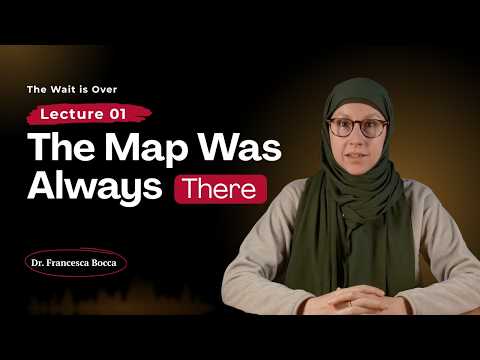
The Map Was Always There

An Introduction to Islamic Psychology

Most Muslims grow up hearing the words qalb (heart), nafs (self) and rūḥ (spirit) without ever being told that they are clinical concepts. This opening lecture reintroduces ʿilm al-nafs, the Islamic science of the soul, and sulūk, the path of inner development, as a complete psychological tradition that scholars built over thirteen centuries. It presents that tradition as a rigorous science of the soul that predates Western psychology by a thousand years, not as a spiritual luxury or a self-help trend. Participants leave with a new vocabulary for their inner life and a different understanding of the health of the heart from within Islam.

Related talks
Lecture recording
Jul 25Lecture 2 · Past7 PM PT
Self-worth

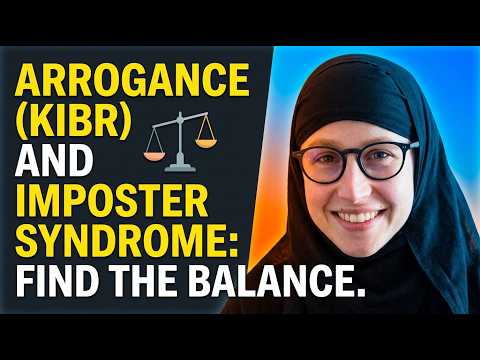
Arrogance (Kibr) and Imposter Syndrome

Imposter syndrome, the chronic feeling of being a fraud whose success is undeserved and who is about to be found out, is usually treated as a problem of low self-esteem. This lecture argues that low self-esteem and arrogance grow from the same root, kibr, which works just as destructively through an ego fixated on its own inadequacy as through open self-importance. Using al-Ghazālī’s classification of the diseases of the heart, it unpacks both the obvious and the hidden faces of kibr, and asks why self-help culture, with its focus on confidence and self-affirmation, often deepens the problem it claims to treat. The remedy it offers is tawāḍuʿ (humility): not low self-esteem under another name, but a heart that has stopped keeping score.

Related talks

Lecture recording
Sep 12Lecture 3 · Past6:30 PM PT (moved earlier for Maghrib)
Marriage

My Husband Is Not My Therapist

The Psychology of Muslim Marriages

Muslim couples are often expected to meet needs in each other that no two people can fully meet, and are then blamed individually when the marriage breaks down. This lecture presents marriage in Islam not as a romantic contract between two sets of needs but as a mīthāq, a covenant between two souls, each arriving with its own history of diseases of the heart. It looks at the most common patterns of marital breakdown through a classical lens: how kibr drives conflict, how ḥasad (envy) poisons admiration, and how fear of vulnerability shows up as emotional unavailability. It closes with a fresh account of what doing the work of a marriage means within the tradition.

Related talks

Lecture recording
Oct 17Lecture 4 · Past6:30 PM PT
Addiction

Screen & Soul

Breaking Free from Digital Addiction

Few struggles are as widespread, or as normalised, in our homes and community spaces as our relationship with our screens. This class addresses screen addiction honestly and without shame — because the constant pull of phones, social media, and gaming is quietly costing us our attention, our sleep, our prayer, and our presence with the people we love. Drawing on Ibn al-Qayyim’s analysis of how unchecked desire (hawā) progressively enslaves the nafs, and integrating contemporary neuroscience on attention and reward circuitry, we examine what this compulsion actually is, why willpower alone rarely works, and what a genuine Islamic path to restoring the heart’s attention looks like.

Related talks

Lecture recording
Nov 14Lecture 5 · Next6:30 PM PT
Family

The Entitled Child and the Exhausted Parent

Narcissism in Family Systems

Building on the series’ treatment of kibr as a real condition of the heart, this final lecture turns to the place where it is first learned: the family, where it is cultivated, modelled and passed down the generations. It shows how well-meant parenting choices can train a child’s nafs toward entitlement rather than humility, and how controlling or shaming homes produce the opposite but equally disabling result: outward compliance hiding a wounded and angry inner life. The tradition holds that character is formed in relationship and can be deformed in relationship. The lecture asks what taking that seriously looks like, both for parents and for adult children examining what was handed to them.

Related talks

What Is Narcissism? An Islamic psychology perspective

Past lectures link to their Nafs Center recordings; upcoming ones to a related talk on Dr. Francesca’s YouTube channel. Nafs Center is a MAPS initiative for education on the diseases of the heart and Islamic psychology; it does not provide therapy, counselling, diagnosis or treatment.